FengShui
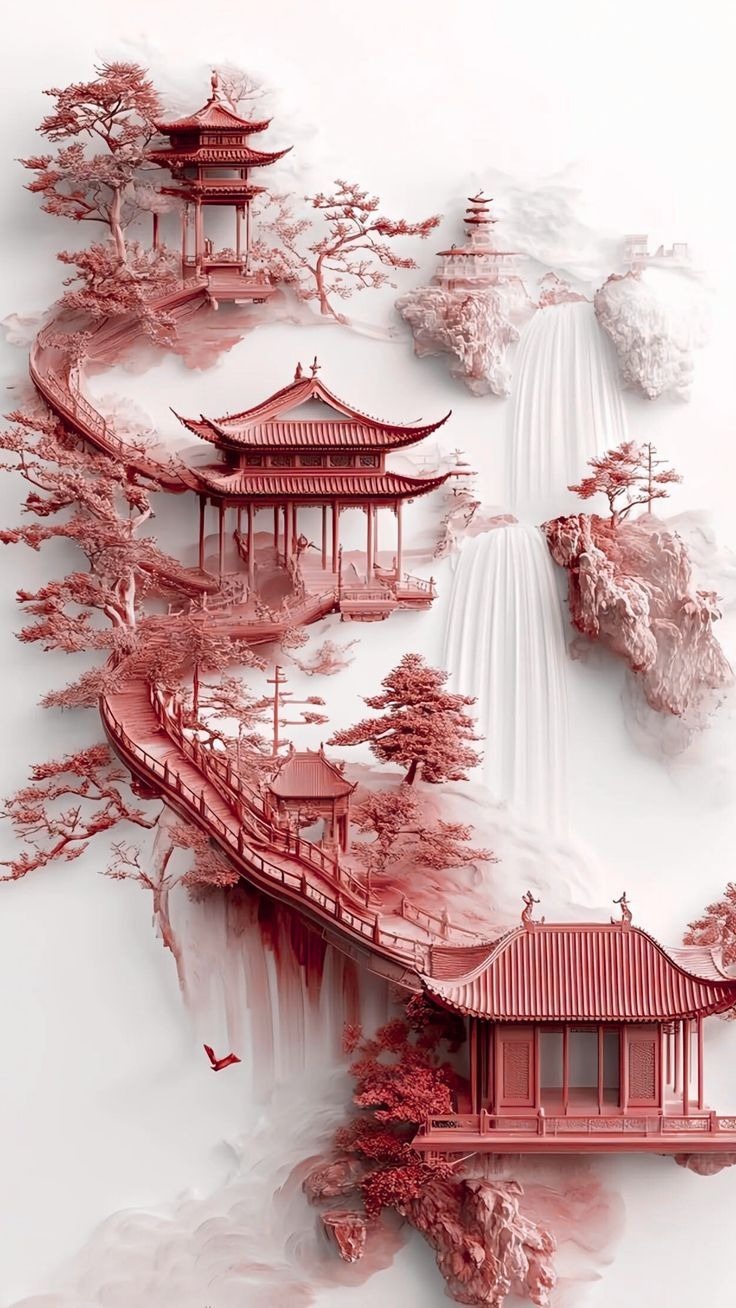

The Art of Placement (布局的艺术)
"Feng Shui is the ancient Chinese art of harmonizing individuals with their surrounding environment. It's based on the idea that our spaces are a living entity, and how we arrange them can directly influence our health, wealth, and happiness."
"To understand Feng Shui, think of these three key concepts:
Qi (Energy): The invisible life force that flows through everything—people, buildings, nature. Feng Shui is the art of managing Qi. Good Feng Shui means smooth, flowing Qi; bad Feng Shui means blocked or chaotic Qi.
Yin and Yang: The concept of opposite but complementary forces (dark/light, soft/hard, passive/active). Feng Shui seeks balance between them. A healthy room has both energizing (Yang) and relaxing (Yin) areas.
The Five Elements: Wood, Fire, Earth, Metal, Water. These elements interact in creative and destructive cycles. Feng Shui uses them to create balance and address specific life areas. For example, if you lack 'Fire' element (passion, fame), you might add red color or triangular shapes.
"Now, how do we practice Feng Shui? It's about intentional placement. Let me connect it to what we've discussed:
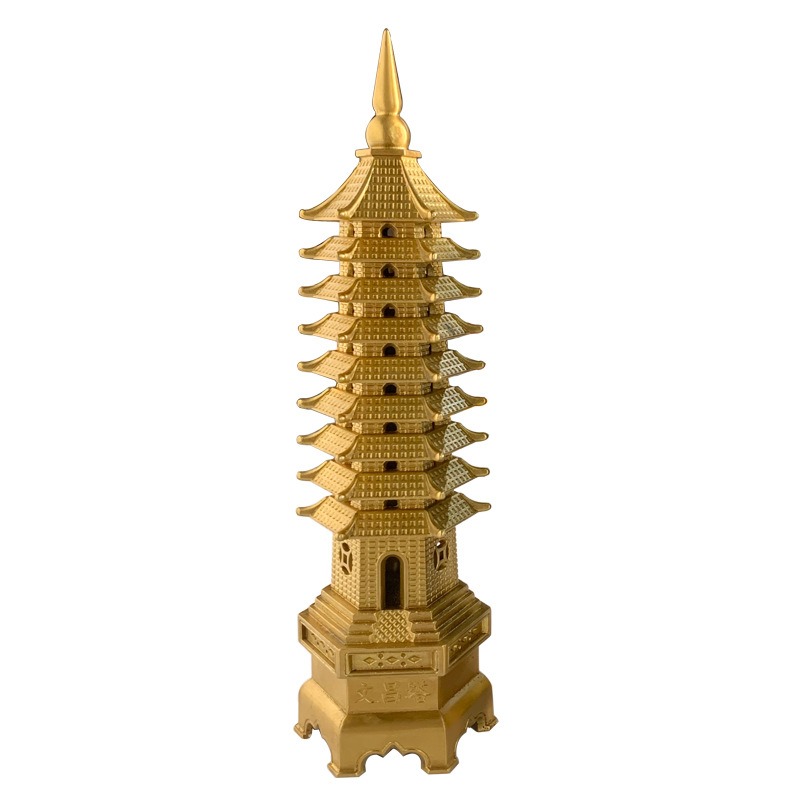
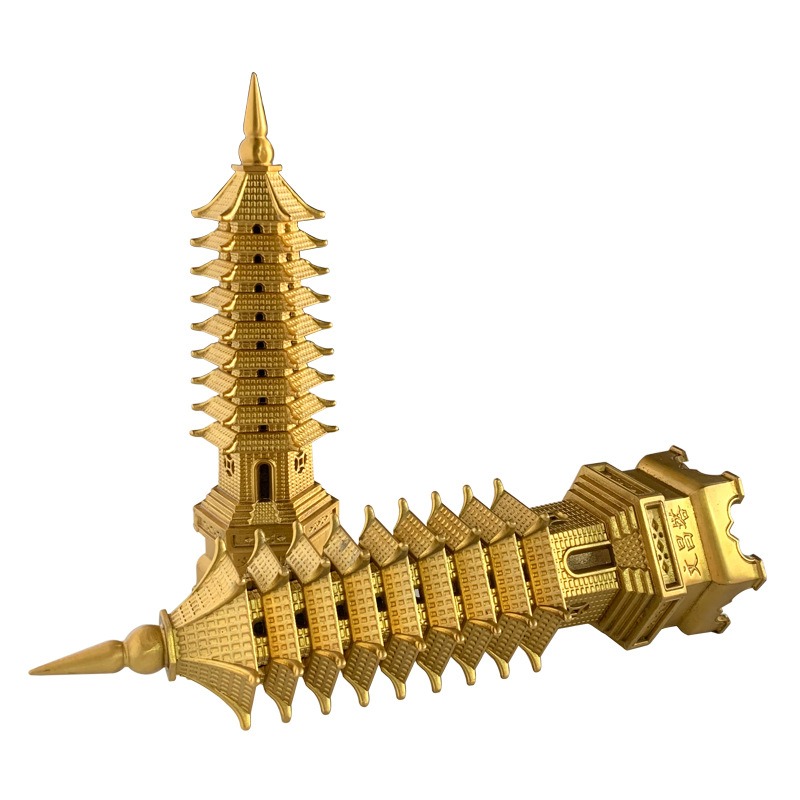
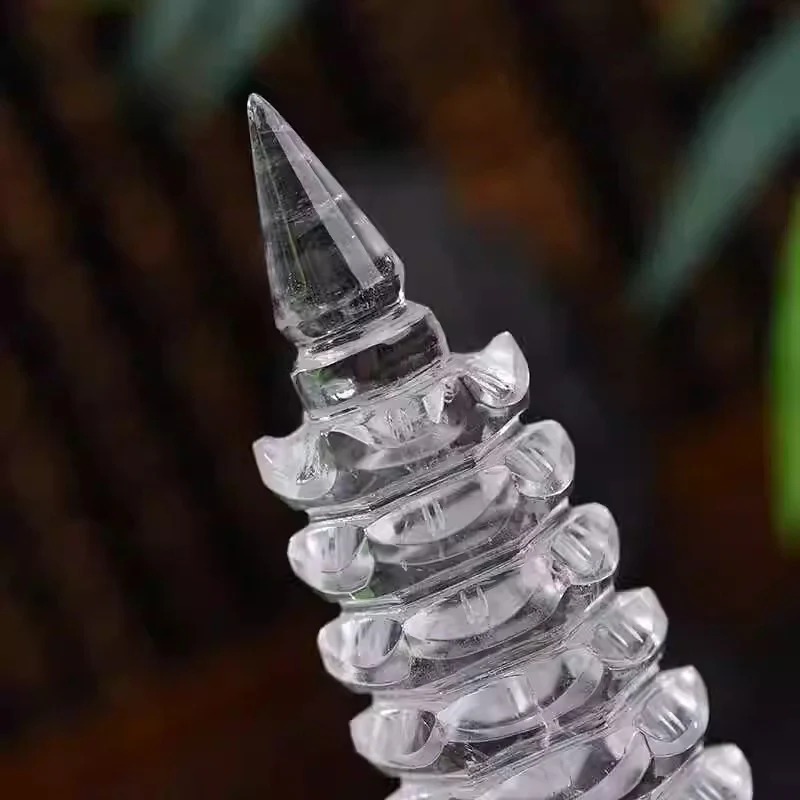
The Wenchang Pagoda (文昌塔): We place this 'Pagoda of Academic Success' in the 'Wisdom and Knowledge' area of a desk or room (typically the northeast corner). Its upward-moving structure 'lifts' the Qi, helping to sharpen focus and attract scholarly success.
Crystals (水晶): A Clear Crystal acts as an energy amplifier in any space. A Citrine is placed in the 'Wealth and Abundance' area (southeast) to attract prosperity. They work by purifying and activating the Qi in that specific sector.
Cinnabar Talismans (朱砂符): Because of its potent Yang energy, Cinnabar is used in Feng Shui as a protective shield. It's placed near doors or windows to block negative Qi from entering, or in a dark corner to bring in lively, protective energy.
Basic Principles: It's also about common sense—like not placing your bed directly in line with the door (a 'poison arrow' of Qi), or keeping the stove clean to symbolize abundance.
"So, Feng Shui is not about superstition. Think of it as:
The Ancient Art of Spatial Psychology: It's about how your environment subconsciously affects your mood and behavior, long before modern science studied it.
A User's Manual for Your Home and Life: It provides a time-tested framework for making intentional choices about your space, so your environment actively supports your goals.
It's a fascinating, holistic system that has been helping people for thousands of years to create homes that are not just beautiful, but are truly supportive and nourishing sanctuaries."
-
-
-
Super Energy Pagoda (Wisdom and Investment)
 On sale
Super Energy Pagoda (Wisdom and Investment)
$199.00 USD $999.00 USD -
-
-
-